
The Future of Enterprise Risk Management: Integrating Cyber, Physical, and Talent
The days of treating cybersecurity, physical security, and talent risks separately are over. Your organization’s resilience depends on weaving these elements into a single, integrated risk management strategy. This approach not only reduces gaps but also sharpens your defense against complex threats. In this post, you’ll learn why converged security is essential and how Apogee Global RMS, a veteran-led SDVOSB partner, can help you build a unified, defensible enterprise risk management program.
Converged Security for Modern Enterprises

In today’s interconnected world, separating security functions is no longer an option. Combining cybersecurity and physical security enhances your organization’s ability to withstand threats. Let’s explore how these elements work together.
Integrating Cybersecurity and Physical Security
Think about how your digital and physical realms overlap. Cyber breaches often stem from physical vulnerabilities, such as unauthorized access to hardware. By integrating digital and physical security measures, you create a cohesive shield. For instance, when a cyber threat looms, having robust physical access controls can prevent unauthorized data center entries. Secure your physical assets to maintain digital integrity.
Incorporate real-time monitoring systems to detect threats across both domains. Use technologies like cameras and sensors, linked to digital systems. This dual-layered approach ensures that any breach, whether physical or digital, is quickly identified and contained. The key insight: a unified strategy minimizes risk exposure and enhances your defense posture.
Talent Advisory’s Role in Risk Management
Every security strategy is only as strong as the people executing it. Your team must be equipped with the right skills and mindset to handle integrated threats. Talent advisory helps you build a workforce attuned to these challenges. Prioritize hiring individuals who demonstrate critical thinking and adaptability. These traits are essential in navigating the complex security landscape.
Training programs should focus on real-world scenarios, bridging the gap between theory and practice. Encourage collaboration between IT and HR departments to build a culture of security awareness. This ensures that everyone understands their role in maintaining a secure environment. By investing in talent development, you strengthen the core of your risk management strategy.
Enhancing Organizational Resilience
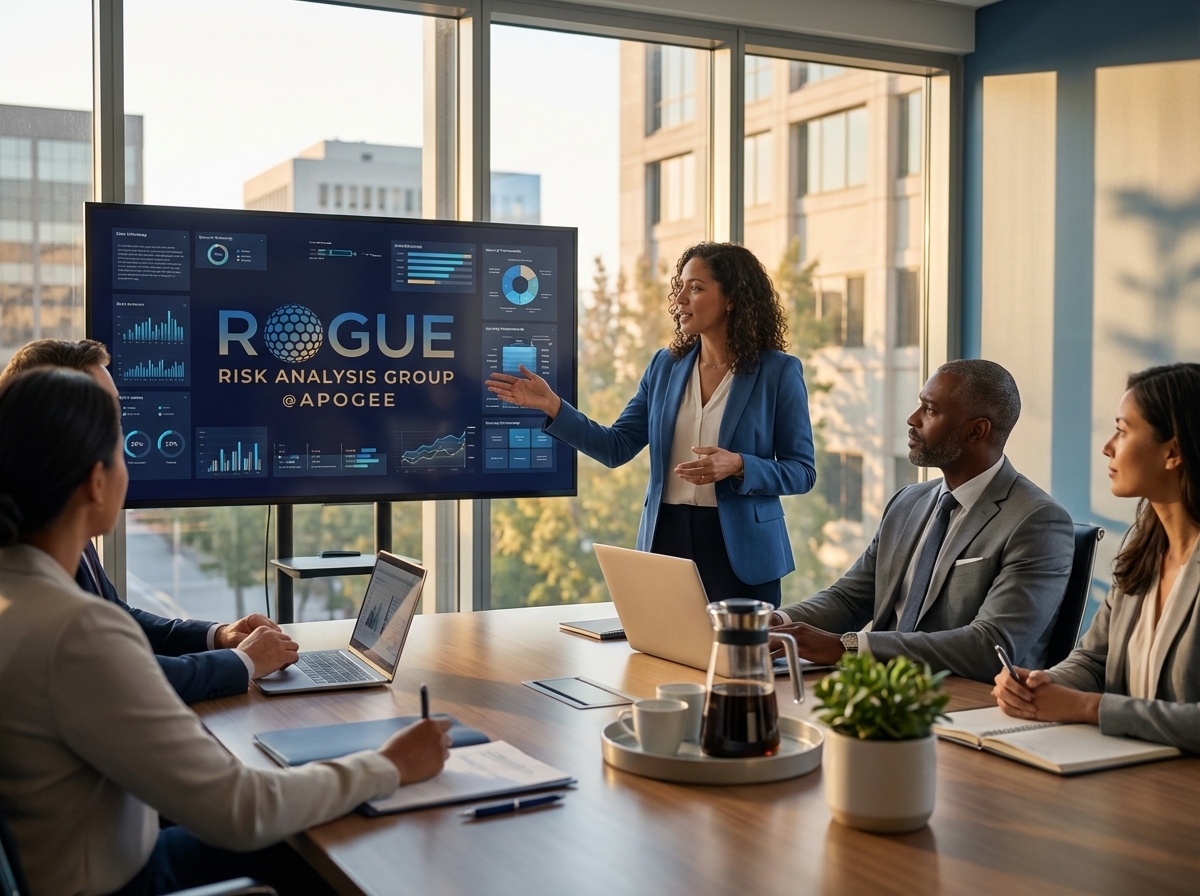
Building resilience requires more than just resources; it demands leadership and strategic planning. Let’s delve into how leadership development and risk planning can fortify your organization.
Leadership Development and Executive Coaching
Empower your leaders to drive change and inspire their teams. Leadership development programs cultivate skills essential for managing risk and fostering resilience. Executive coaching offers personalized guidance, helping leaders make informed decisions under pressure.
Real-world examples show that leaders trained in crisis management execute more efficiently during emergencies. Coaching sessions should focus on strategic planning and communication. By strengthening your leadership, you ensure that your organization can adapt to challenges and seize opportunities. Here’s the key takeaway: resilient leaders create resilient organizations.
Risk Assessment and Incident Response Planning
Conducting regular risk assessments identifies vulnerabilities before they become crises. Use a structured approach to evaluate potential threats and their impact. This proactive stance enables you to prioritize resources effectively.
Incident response planning is crucial. Develop a comprehensive plan that outlines roles, communication protocols, and recovery steps. Regular drills and simulations ensure your team is ready to act swiftly. Remember, the longer you wait to respond, the greater the damage. With robust planning, you minimize impact and ensure a swift return to normal operations.
Strategic Risk Management Solutions

For a comprehensive risk strategy, tailor your solutions to fit your organization’s unique needs. Let’s explore how customized programs and specialized consulting can elevate your risk management efforts.
Customized Cyber-Physical Security Programs
Every organization faces unique challenges. Customized security programs address these specific needs, integrating cyber and physical solutions. Start by analyzing your current risk landscape. Identify gaps and vulnerabilities, then design a program that addresses these pain points.
Focus on creating a cohesive strategy that aligns with your business objectives. This might include deploying advanced technologies or revising access controls. By tailoring your approach, you ensure that security measures are both effective and efficient. The result: a robust defense tailored to your organization’s needs.
SDVOSB Risk Consulting for Public Sector
Public sector organizations face distinct challenges, from budget constraints to evolving threats. Partnering with an SDVOSB like Apogee Global RMS provides access to specialized expertise. Our veteran-led team brings operational credibility and a disciplined methodology to the table.
We offer consulting services that focus on enhancing resilience and ensuring compliance with regulations. Our experience in sectors like healthcare and government enables us to deliver solutions that meet stringent requirements. By leveraging our expertise, you gain a partner committed to protecting your critical assets and data.
In conclusion, integrating cybersecurity, physical security, and talent advisory into a unified strategy enhances resilience and reduces risk. Apogee Global RMS stands ready to guide you through this transformative journey. Prioritize convergence today to safeguard your organization’s future.
