
Fostering Cyber Awareness: A Strategic Imperative for Large Enterprises
In today’s digital age, ignoring cyber awareness is akin to leaving your company’s front door wide open. Large enterprises face relentless threats that can cripple operations and erode trust. Yet, building a cybersecurity culture isn’t just about deploying the latest tech—it’s about creating a mindset shift across your organization. Apogee Global RMS stands ready to guide you, offering tailored strategies to fortify your defenses. Discover how we can transform your risk management approach and safeguard your sensitive data. Contact Apogee Global RMS today to elevate your cybersecurity culture.
Building Cyber Awareness in Enterprises

Creating a robust cyber awareness culture is essential for large enterprises to safeguard against evolving threats. It’s more than a set of policies; it’s an organizational mindset. By fostering a proactive cybersecurity culture, companies can strengthen their defenses against breaches and ensure operational resilience. The following subsections explore critical components of this process.
Understanding Cyber Threats
Cyber threats are potential dangers that can exploit vulnerabilities in systems and networks. These threats can range from data breaches to ransomware attacks, each carrying significant risks for large enterprises. Understanding these threats is crucial for effective risk management.
-
Identify Common Threats: Malware, phishing, and insider threats are prevalent. Recognizing these can prepare enterprises for what to guard against.
-
Assess Vulnerabilities: Conduct regular security audits to identify weak points in your infrastructure.
-
Stay Informed: Keep abreast of emerging threats through trusted cybersecurity sources and reports.
Awareness of these threats allows enterprises to prioritize and allocate resources effectively. By understanding the landscape, decision-makers can develop strategies that mitigate risks and protect sensitive data.
The Role of Employee Training
Employee training is a cornerstone of cyber awareness. Educating employees about potential threats and safe practices is essential. This training ensures that every team member becomes a line of defense against cyber threats.
-
Conduct Regular Workshops: These sessions should cover the latest cybersecurity trends and best practices.
-
Implement Simulated Attacks: Phishing simulations can help employees recognize and report suspicious activity.
-
Evaluate Training Effectiveness: Use metrics to assess the impact of training and identify areas for improvement.
Training empowers employees to recognize threats and respond appropriately. This proactive approach reduces the likelihood of human errors that can lead to security breaches.
Assessing Cybersecurity Culture
To build a cybersecurity culture, enterprises must first assess their current stance. Cybersecurity culture refers to the collective practices, attitudes, and values that shape how an organization approaches security.
-
Conduct Surveys: Gather feedback from employees about their perceptions and practices related to cybersecurity.
-
Evaluate Policy Adherence: Ensure that all staff understand and follow the organization’s security policies.
-
Identify Gaps: Look for areas where the culture may not align with best practices.
By understanding the existing culture, enterprises can tailor initiatives that foster a more security-conscious environment. This assessment helps in identifying key areas for improvement and ensuring that cybersecurity is an integral part of the organizational ethos.
Strategic Risk Management Approaches

Effective risk management in large enterprises involves identifying, assessing, and mitigating potential threats. Strategic approaches ensure that risk management is not a one-time task but a continuous process. This section explores how tailored risk assessments, data protection technologies, and continuous monitoring can enhance an enterprise’s security posture.
Tailored Risk Assessments
Risk assessments are fundamental to understanding and managing potential cyber threats. A tailored risk assessment considers the unique needs and vulnerabilities of an enterprise.
-
Identify Specific Risks: Each enterprise has different exposure levels based on industry, size, and structure.
-
Prioritize Risks: Focus on the most critical threats that could impact operations and data security.
-
Develop Mitigation Strategies: Create action plans that address identified risks effectively.
Customizing risk assessments ensures that enterprises address their unique challenges and protect their operations. An informed approach to risk management enables organizations to allocate resources wisely and bolster defenses.
Data Protection Technologies
Data protection technologies are vital for safeguarding sensitive information. These technologies help prevent unauthorized access and ensure data integrity.
-
Implement Encryption: Encrypt sensitive data both at rest and in transit to protect against interception.
-
Use Multi-Factor Authentication: Enhance security by requiring an additional verification step for user access.
-
Deploy Firewalls and Anti-Malware: These tools provide a first line of defense against external threats.
Investing in robust data protection technologies is crucial for large enterprises. These technologies not only protect data but also enhance trust among stakeholders and customers.
Continuous Monitoring Practices
Continuous monitoring is essential for maintaining a strong security posture. By consistently observing systems and networks, enterprises can quickly detect and respond to threats.
-
Automate Monitoring: Use tools that provide real-time alerts and insights into system activities.
-
Review Logs Regularly: Analyze log data to identify patterns that may indicate potential threats.
-
Conduct Regular Audits: Ensure that monitoring practices align with evolving security needs.
Continuous monitoring allows enterprises to stay ahead of potential security incidents. This proactive stance ensures that threats are addressed promptly, minimizing risk and maintaining business continuity.
Partnering with Apogee Global RMS
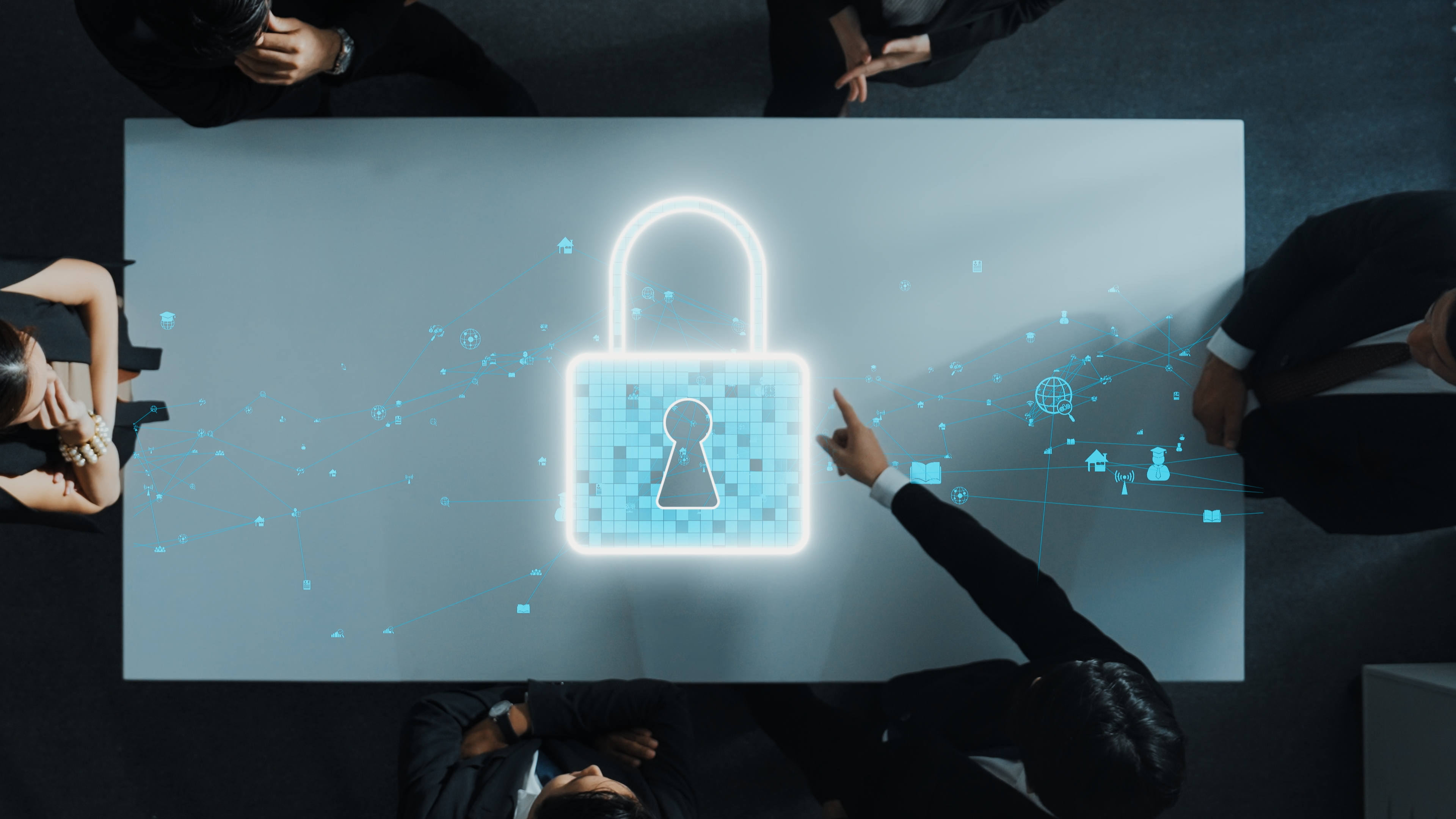
Building a cybersecurity culture and managing risks effectively requires expert guidance. Apogee Global RMS offers comprehensive consulting services tailored to the needs of large enterprises. By partnering with us, you can enhance your organization’s security framework and protect your valuable data.
Customized Consulting Services
Apogee Global RMS provides bespoke consulting services designed to address unique organizational challenges. Our team of experts works closely with enterprises to develop effective cybersecurity strategies.
-
Individualized Assessments: We evaluate your current security posture and identify areas for improvement.
-
Actionable Recommendations: Receive clear, practical advice to enhance your risk management strategies.
-
Ongoing Support: Our consultants are available to provide guidance and ensure successful implementation.
Our customized approach ensures that your enterprise receives the support it needs to navigate the complex cybersecurity landscape successfully.
Elevating Cybersecurity Culture
Apogee Global RMS is dedicated to helping enterprises cultivate a strong cybersecurity culture. Our services focus on integrating security awareness into daily operations.
-
Comprehensive Training Programs: We offer training tailored to different levels within your organization.
-
Behavioral Change Initiatives: Encourage a proactive security mindset among your employees.
-
Culture Assessments: Identify strengths and areas for improvement to foster a security-first environment.
With our guidance, your enterprise can create a resilient security culture that guards against evolving threats.
Contact Apogee Global RMS Today
To enhance your enterprise’s cyber awareness and strengthen your risk management framework, contact Apogee Global RMS today. Our expertise in cybersecurity consulting and data protection will empower your organization to face challenges confidently and secure your future.
