
Most organizations still treat cyber, physical, and human capital risks as separate challenges. This siloed approach leaves gaps that adversaries exploit daily. Integrated enterprise risk management offers a unified view that closes those gaps, strengthening your entire organization’s defenses. Learn how Apogee Global RMS’s veteran-led, single-team model helps healthcare, finance, and government leaders build resilient, converged risk programs that work. Learn more about the value of integrated risk management here.
The Need for Unified Risk Management

Understanding how risk affects every part of your organization is crucial. With threats emerging from multiple fronts, a unified approach is essential to cover all bases.
Bridging Cyber, Physical, and Human Risks
Each day, risks come from different sources: cyber threats, physical vulnerabilities, and human errors. When you treat these as separate issues, gaps appear. These gaps are what adversaries look for. Imagine a hacker exploiting a weak firewall while a physical breach occurs elsewhere. It’s a recipe for disaster.
-
Unified Approach: By integrating all risk factors, you create a strong defense. This means less chance for threats to slip through.
-
Proactive Measures: An integrated risk management approach allows for early detection and mitigation. This proactive stance is your best defense.
Most people think handling cyber threats alone is enough. But physical and human risks are just as critical. Look deeper into integrated risk management here.
Benefits for Healthcare, Finance, and Government
Unified risk management isn’t just a buzzword. For healthcare, finance, and government, it’s a lifeline. In healthcare, patient data protection is non-negotiable. Finance demands robust data security to prevent breaches. Government agencies must protect sensitive information from espionage.
-
Healthcare: Streamlined processes ensure patient data remains confidential and secure. Compliance with regulations like HIPAA becomes more manageable.
-
Finance: Secure transactions and data protection are vital. A unified approach helps in fraud prevention and risk governance.
-
Government: Enhanced security measures protect against cyber threats. This ensures the safe handling of classified information.
By focusing on integration, these sectors can enhance their resilience and protect their sensitive data. Discover how healthcare ERM creates value.
Apogee’s Veteran-Led Approach
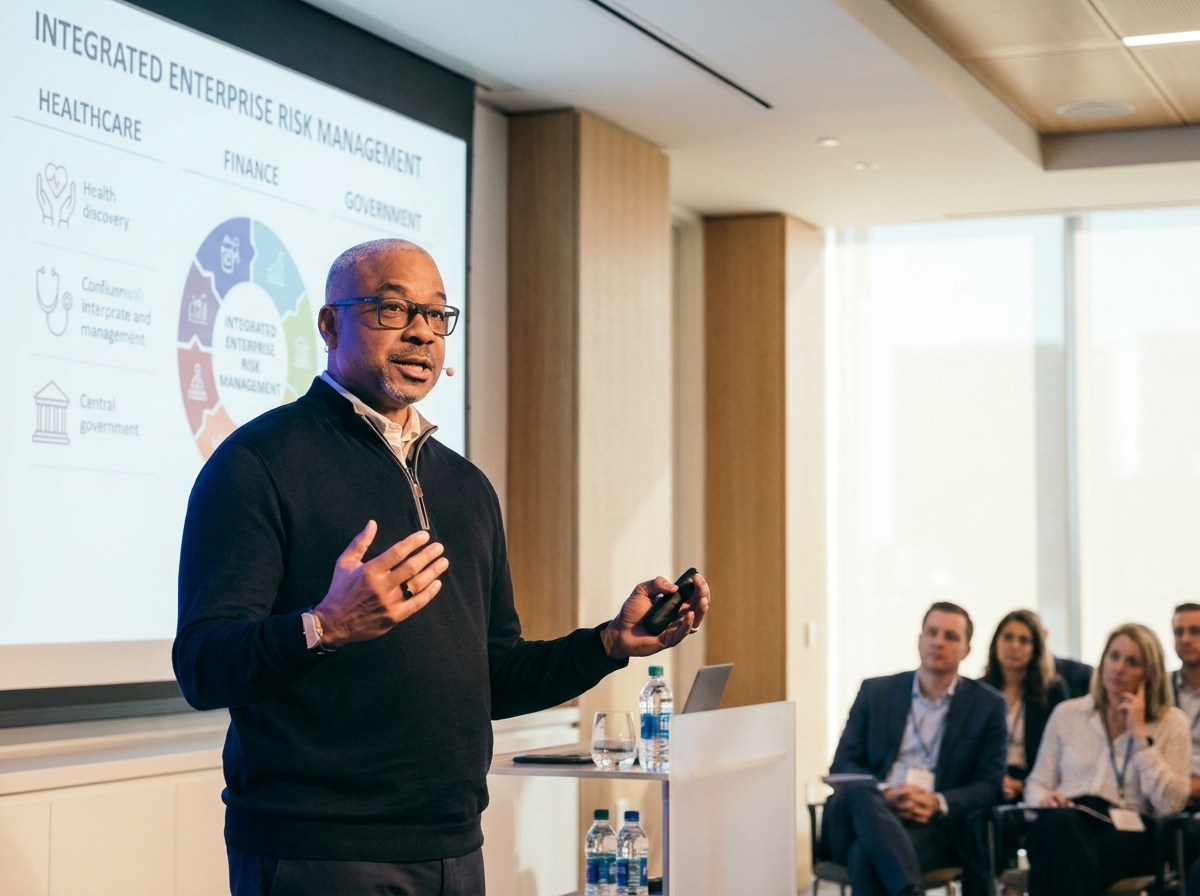
Apogee offers a unique edge with its veteran-led model. This approach brings credibility and real-world experience to the table, making it an invaluable asset.
Strengths of the SDVOSB Model
The Service-Disabled Veteran-Owned Small Business (SDVOSB) model of Apogee is a game changer. Veterans bring discipline, dedication, and expertise. This isn’t just about checking a box for diversity. It’s about leveraging the unique strengths of those who have served.
-
Operational Credibility: Veterans have faced high-stakes situations. They bring unparalleled experience to risk management.
-
Structured Methodology: Military training means a disciplined approach to solving problems. This structured methodology is applied to every aspect of risk management.
Most people underestimate the value of veteran leadership in risk management. But their unique experiences provide a disciplined approach that few others can match.
Comprehensive Risk Governance Strategies
Apogee’s strategies are thorough. Comprehensive doesn’t mean complicated. It means leaving no stone unturned. From cyber assessments to physical security evaluations, every angle is covered.
-
Cybersecurity Consulting: Tailored strategies that fit your organization’s specific needs.
-
Protective Intelligence: Identifying potential threats before they become actual problems.
Most organizations think they have everything covered. But without a comprehensive view, blind spots remain. Apogee ensures these are identified and addressed.
Driving Resilience and Compliance

Organizations need resilience to bounce back from incidents. Compliance is not just about adhering to regulations. It’s about building trust with those you serve.
Enhancing Organizational Resilience
Resilience is your ability to withstand and recover from disruptive events. It’s not just about having a plan. It’s about having a culture that supports quick recovery.
-
Cultural Shift: Building a culture that values resilience, from executive levels to frontline employees.
-
Preparedness: Regular training and simulations keep everyone ready for potential incidents.
Most people think resilience is about having a backup plan. But it’s about being ready for anything, anytime.
Achieving Compliance: NIST CSF, HIPAA, CMMC, SOC 2
Compliance can seem daunting. But it’s a critical part of risk management. With standards like NIST CSF, HIPAA, CMMC, and SOC 2, Apogee helps you navigate these complex requirements.
-
Expert Guidance: Our experts guide you through compliance requirements, ensuring you meet every necessary standard.
-
Continuous Improvement: Stay ahead by regularly updating your practices to match evolving regulations.
Most organizations see compliance as a burden. But it’s an opportunity to build trust and demonstrate your commitment to security. Learn more about healthcare compliance here.
By focusing on a unified risk management approach, leveraging veteran expertise, and driving resilience and compliance, you can protect your organization effectively. The longer you wait, the greater the risk. Take steps today to integrate your risk management efforts.
